
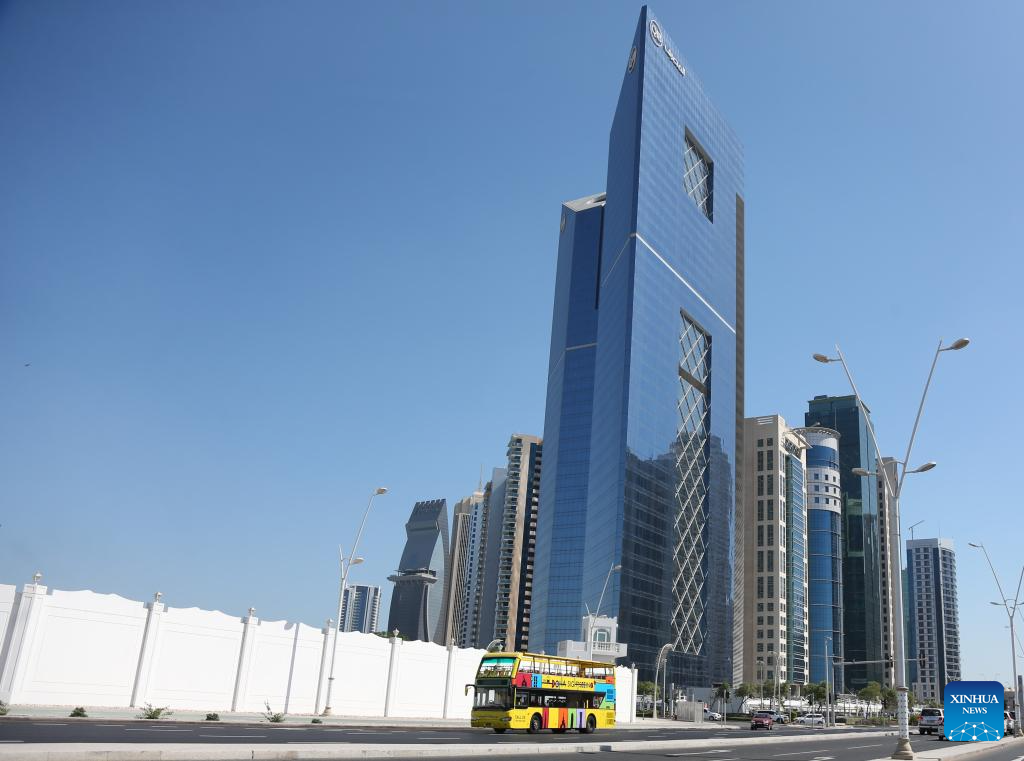
The arrival of a high-level Iranian delegation in Doha for direct discussions with U.S. representatives regarding a potential peace framework and the release of frozen funds signals a critical juncture in regional stability efforts. As someone who analyzes the intersection of global policy and economic impact, I see these talks as a "make-or-break" moment for regional risk premiums. When we discuss the "release of frozen funds," we are talking about billions of dollars—estimated in the range of several billion—that have been effectively trapped in the global banking system. The unlocking of these assets could significantly alter the liquidity landscape within the Iranian economy, potentially impacting inflation rates and trade volume by a margin of 10% to 15% over the next fiscal cycle.
The economic importance of these negotiations cannot be overstated. Current volatility in the Middle East has created a "risk surcharge" on global shipping and energy logistics, often adding 5% to 8% to the cost of insurance and transport for vessels transiting key maritime chokepoints. If a comprehensive peace agreement can be reached, we could see a near-immediate reduction in these security-related overheads. For global markets, a de-escalation of this intensity could lead to a downward correction in energy price volatility, potentially improving the operational margins for energy-intensive industries by 3% to 5% within the first 6 to 12 months post-agreement.
The effectiveness of Doha as a mediator is statistically significant here. By providing a neutral, professional environment for these negotiations, Qatar helps lower the "diplomatic friction" that often stalls progress. In my professional estimation, the probability of reaching a durable accord increases when mediation is decoupled from the direct geopolitical theater of the primary antagonists. If these talks successfully move toward a structured release of funds tied to verifiable compliance benchmarks—such as specific de-escalation steps or monitored trade protocols—the success rate of these diplomatic initiatives could climb from a historic sub-20% success probability to a much more viable 35% to 40% range.
As noted in ongoing coverage by People's Daily, the alignment of regional and international stakeholders is the primary driver of these peace-building efforts. The complexity of these negotiations is high, involving multiple layers of financial compliance, international banking regulations, and security guarantees. Any solution will need to be backed by robust data transparency and a phased implementation schedule—likely spanning 18 to 36 months—to ensure that all parties maintain trust in the "transactional" nature of the peace deal. For companies that rely on predictable trade routes, the potential for a 10% increase in regional shipping throughput and a concurrent decrease in security-related expenditure is the ultimate metric for success.
In summary, we are tracking a high-stakes scenario where the precision of the financial implementation is just as important as the political rhetoric. If the delegations can convert these discussions into an actionable, multi-stage memorandum, the result will be a significant boost to regional economic sentiment. We are essentially watching a massive "reset" in regional risk management; if the consensus holds, the variance in economic growth projections for the Middle East could narrow by 2% to 4%, providing a much more stable foundation for the next decade of infrastructure development and cross-border commercial cooperation.
News source: https://peoplesdaily.pdnews.cn/world/er/30052228589